
Bring Suite-Level Comfort Home

Today we explore hotel-quality textiles—luxurious bedding, indulgent towels, and architectural drapes that transform any room into a calm, polished sanctuary. Expect practical guidance, design insights, and care secrets inspired by hospitality pros so you can recreate consistent comfort, tactile delight, and effortless elegance without guesswork, and feel confident upgrading your daily rituals from the first night onward.

The Science of Comfort: Weaves, Fibers, and Finishes

Behind every unforgettable stay is material science quietly doing the heavy lifting. Understanding weaves, fiber length, and finishing determines breathability, durability, drape, and sheen. By decoding percale versus sateen, long-staple cotton versus blends, and how finishing alters feel, you can select textiles that keep their softness, shape, and color while delivering that reassuring, hotel-worthy consistency night after night.

Bedding That Breathes: Sheets, Duvets, and Pillows

A well-layered bed manages temperature, contour, and weight so your body settles quickly and stays comfortable. Prioritize honest specifications over marketing claims: sensible thread counts, single-ply yarns, responsible fills, and tailored lofts. Borrow housekeeping tricks for crisp corners and fast refreshes. This approach transforms your bed into a reliable refuge, where elegant structure meets pampering softness, night after night, season after season.

Thread Count Myths and Honest Specifications

Ultra-high thread counts can hide multi-ply yarns that feel heavy and trap heat. Hotel favorites lean toward 200–400 for percale and 300–600 for sateen, paired with long-staple cotton for strength and smoothness. Look for single-ply, transparent labeling, and OEKO-TEX or similar safety certifications. Prioritize weave and fiber quality over inflated numbers, and your skin will notice the difference immediately.

Duvet Warmth Ratings, Tog Scales, and Fill Power

Fill power measures down’s loft and insulation efficiency; higher values feel lighter yet warmer. Alternatives like recycled microfibers mimic cloudlike lift while remaining allergy-friendly. Match tog or warmth ratings to your climate and use lightweight layers for flexibility. For that hotel puff, fluff daily and shake from corners. A breathable cover plus corner ties prevents shifting and preserves pleasing loft.

Pillow Profiles for Side, Back, and Combo Sleepers

Loft and support alignment determine morning comfort. Side sleepers often prefer medium-high loft with gussets for shoulder space, while back sleepers benefit from medium loft that cradles the neck. Combo sleepers thrive with adjustable fills you can add or remove. Rotate pillows regularly, use breathable protectors, and test positions with a book-balancing trick to gauge aligned neck posture effortlessly.

Towels That Spoil You: GSM, Loops, and Care

That spa-like hug after a shower depends on loop construction, cotton grade, and care discipline. Hotel teams balance plushness with fast drying to keep bathrooms fresh and energy costs sane. By understanding GSM ranges, zero-twist versus ring-spun loops, and how detergents affect absorbency, you can maintain cloudlike softness that doesn’t turn heavy, musty, or dull over time.

Drapes That Shape Space: Light, Acoustics, and Mood

Great hotels choreograph daylight, nighttime privacy, and ambient calm using layered window treatments. Proper lining cuts glare, muffles street noise, and frames views, while thoughtful hardware elevates sightlines. The right stackback, hem weight, and pleat style can make ceilings seem taller and rooms quieter. Embrace classic functionality first, then add personality through color, texture, or subtle contrast edging.

Color and Texture: Designing Cohesion Across Surfaces

Consistent palettes soothe the eye, but texture creates intrigue. That’s why many hotels anchor beds with crisp white while adding character through throws, pillows, and drape trims. Unify materials by repeating fibers and finishes across the room. A limited palette, layered tactility, and considered shine levels create calm balance that photographs beautifully and feels timeless, even as trends shift quickly.

Building a Palette: Whites, Neutrals, and Accents That Endure
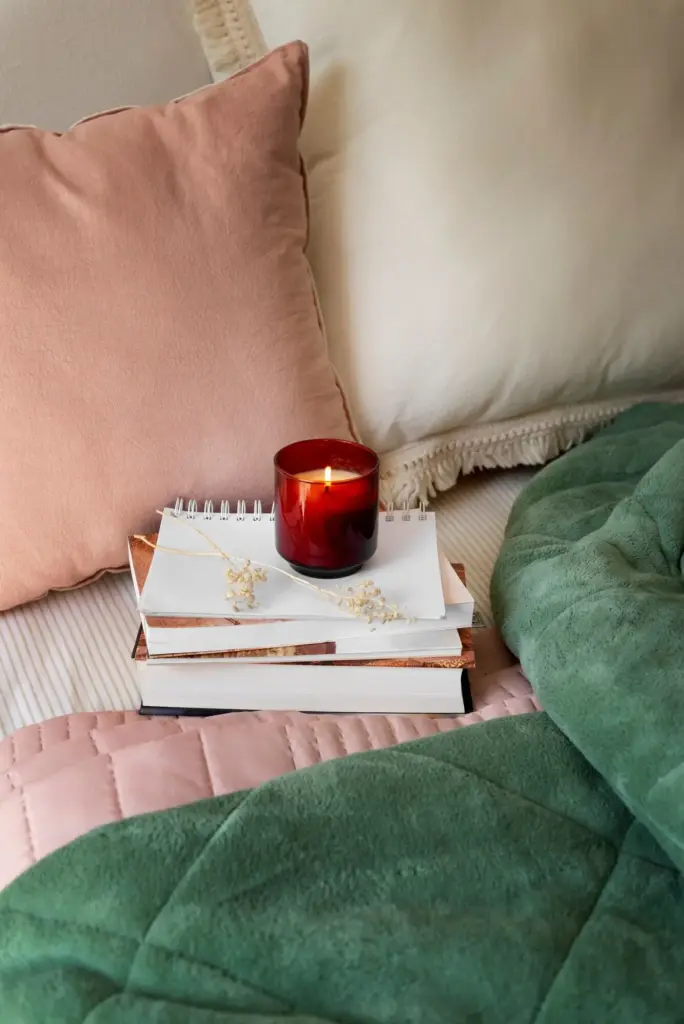
Start with a reliable base—warm or cool whites that complement wall color—then layer gentle neutrals like sand, oat, and mushroom for depth. Introduce accents sparingly through a waffle blanket or piped shams. Repeat an accent hue in drape edging for cohesion. Aim for harmony under daylight and warm bulbs, and test samples at night. Share your palette experiments; we love seeing transformations.

Texture Stacking: Matelassé, Waffle, and Herringbone

Contrasting textures signal intention without loud patterns. A matelassé coverlet adds structured depth, waffle throws deliver breathable warmth, and herringbone weaves lend quiet movement. Keep one hero texture and support with subtler companions. Touch matters—run fingers along samples before buying. Rotate heavier textures seasonally to shift mood and manage warmth, mirroring how hotels refresh suites for climate and occasion.

Care Routines That Preserve Luxury: Washing, Drying, Storing

Consistency makes textiles feel new longer. Hotels rely on gentle detergents, exact temperatures, prompt drying, and disciplined storage. Adopt a simple rotation schedule, keep stain solutions handy, and fold with respect for woven structure. Avoid shortcuts that coat fibers or trap moisture. Track what works, then share tips with fellow readers so everyone enjoys cloudlike towels, crisp sheets, and graceful drapes daily.

Laundry Lab: Temperatures, Detergents, and the Softener Myth

Warm washes remove oils without stress; hot cycles are reserved for sanitizing when labels permit. Choose enzyme formulas sparingly to protect finishes. Fabric softeners can flatten loops and block absorbency; dryer balls and proper rinsing restore loft naturally. Clean lint traps, avoid overloading, and dry just to done—overdrying breaks fibers. Comment with your best settings and we’ll compile a community checklist.

Extend Lifespan: Rotation, Mending, and Storage

Rotate sheet sets weekly and towels every three uses to distribute wear. Mend popped seams early before they escalate. Store textiles clean, fully dry, and loosely folded to avoid creases that strain fibers. Use breathable bags for off-season duvets and cedar for natural pest deterrence. Label shelves by size or room so changes happen quickly, like a trained housekeeping team operating smoothly.
Nezofikitomazene
Privacy Overview

This website uses cookies so that we can provide you with the best user experience possible. Cookie information is stored in your browser and performs functions such as recognising you when you return to our website and helping our team to understand which sections of the website you find most interesting and useful.